Italian Picnics in the Valley of Heart’s Delight
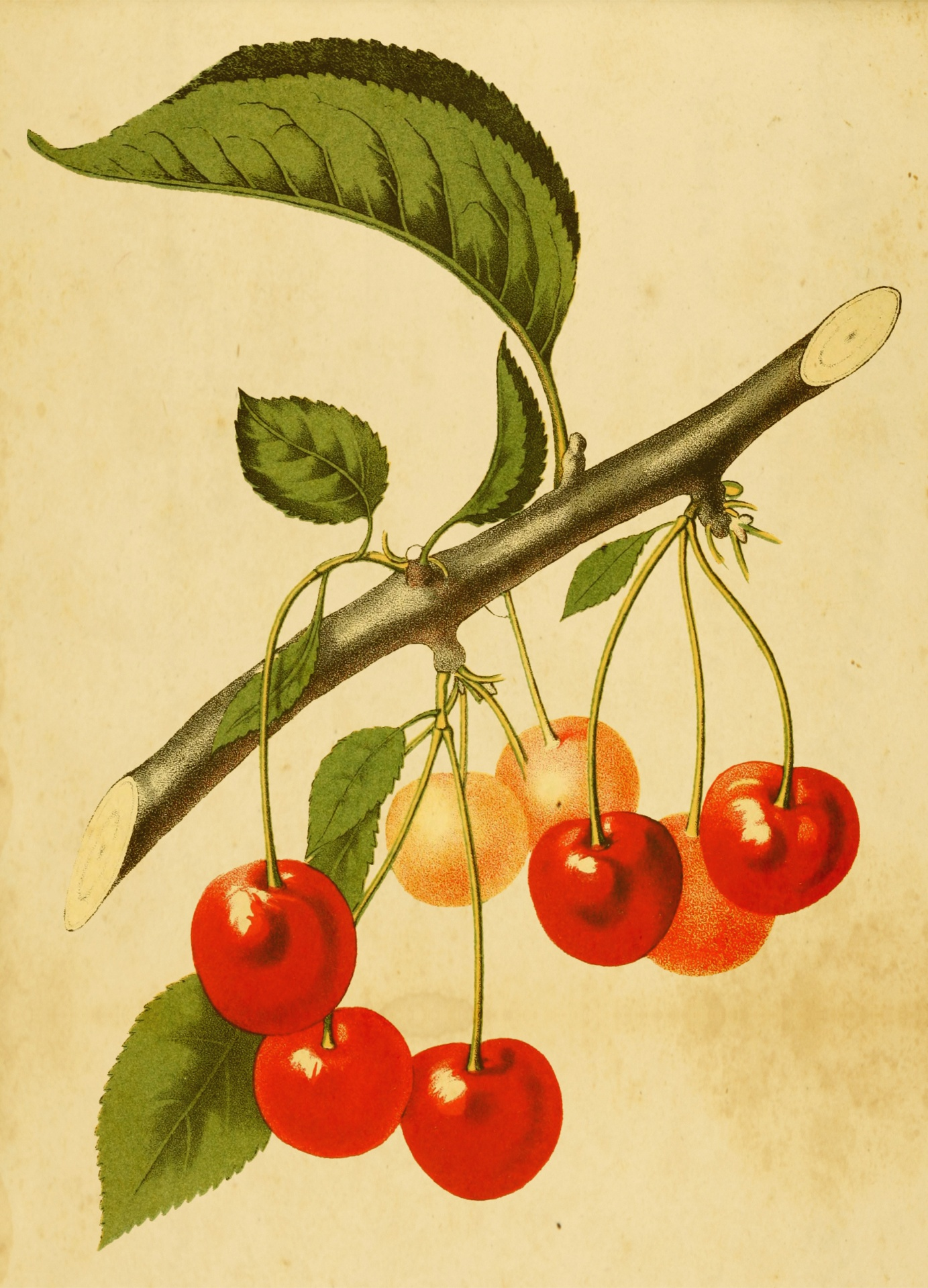
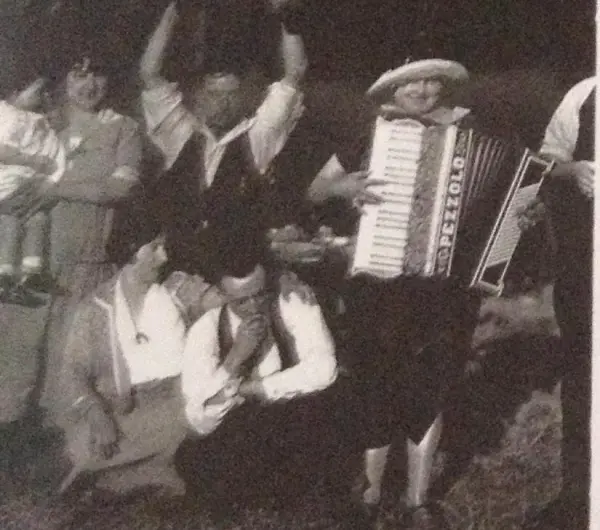
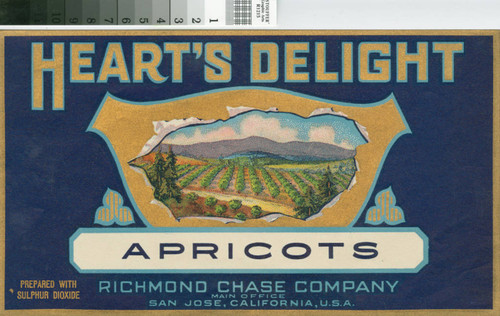
Once upon a time, an ocean of orchards heavy with apricots, peaches, cherries, and apples thrived in a place fittingly known as the Valley of Heart’s Delight. And over the years, many in the Italian immigrant community would come together periodically to feast and play in this valley’s orchards and farms. They’d make the journey 40 miles south from foggy San Francisco to connect over prosciutto and salami, cheeses and focaccia, fruit and wine. They’d also bring their competitive spirit and play bocce ball or compete in the salami toss; dance to, listen to or play live music; and on occasion enjoy the talents of an official but veritable diva who would grace the crowd with an aria or two amidst the cherry trees. Some of these picnics – scampagnate, in Italian – were organized by the Amici Club, a social club full of Genovese Italian businessmen and their families: immigrants from Genoa who had worked hard and eventually found success in the fabric of the City. One of these businessmen was my grandfather. What a vision of connection and delight amidst nature with family and friends over food, games, and music.
But since the only constant is change, the Valley of Heart’s Delight would eventually slip off the map in the 1960s, giving way to a name more reflective of its seismic transformation: Silicon Valley.
Fortunately, my father’s (and others’) stories have kept part of this legendary time and place alive, not to be fully snuffed out by The Technocracy. My father often recounted these golden days in the valley to us while in the car driving back up north to Menlo Park after a stay at my maternal grandparents’ home in Cambria, or from a trip to LA, or simply after dinners at my Teglia cousins’ house in San Jose. For my dad, a sighting of the megalithic NASA-owned, (currently Google-managed) Moffett Field airship hangar in Mountain View instantly transported him back to cherry trees, feasts, salami–and his own mother singing Puccini arias to the rapt crowd’s adoration (and his own embarrassment).
These all-day Amici Club scampagnate* were held in the lush land west of Moffett Field, just a few minutes beyond our coordinates on the 8-lane 101 freeway. My grandfather would take the wheel of their Essex and drive the family to this Edenic countryside, making an escape from foggy city to cloudless, calm country. After exiting one of the 2 lanes running south on US 101, they’d meander down a country road towards the Bay and find themselves among apricots, cherries, peaches, French prunes, apples, pears – and their community. (*From campagna, meaning “countryside” or “field” + s, a prefix indicating “off” or “out” —> thus “to go out into the countryside”)
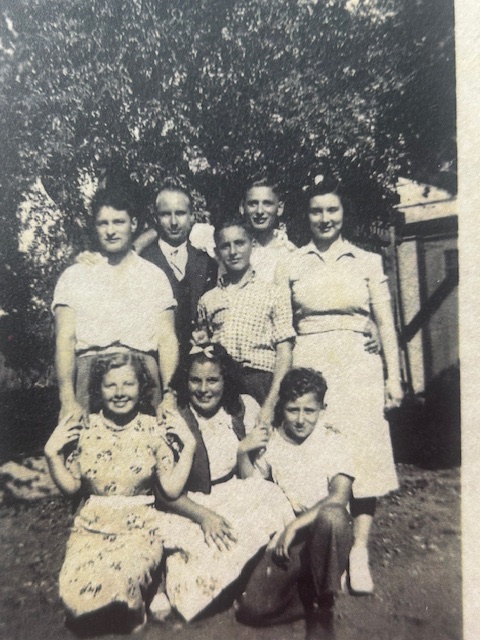
A typical day of communal relaxation might include a few games of bocce ball, an attempt at the salami toss (where one aspired to hit a hanging salami, somewhat like a floating bowling pin), abundant food and drink and animated conversations. Strolls in the cherry orchard would conclude under a grove of trees canopying a dance floor framed by picnic tables, band blaring, dance floor full, flowing homemade wine. Then, at a certain point in the festivities, the music stopped, and the opera arias began. My father vividly remembers how the crowd implored my grandmother to sing and how her glorious voice “thrilled” them.
What a vision of dolce far niente. These transient experiences had become part of my father’s permanent identity – memories imprinted in his brain thanks to the powerful emotions brought on by spending quality time doing simple things with others. And while eventually these physical places vanished and the Valley of Heart’s Delight shifted from orchards to Oracle, peaches and pears to Hewlett-Packard, apricots to Adobe, apples to Apple, my father’s stories remain, enabling me to paint a picture of my memory of his memories.
While writing this, I remembered, too, the scampagnate in San Francisco’s Stern Grove that my mother used to organize for years with many of her and my father’s friends and their families. We’d pack up and drive about 30 miles north for the free summer concerts at the famed amphitheater tucked away in a eucalyptus grove, a magic sunken circle of nature amidst the city streets. We descended into the grove on foot and connected over beautiful music and an abundant feast sometimes featuring an elaborate cima alla genovese and served up in a stunning setting – china, crystal glasses, flowers . . . the most elaborate picnic table in the grove. Another transient experience imprinting the eternal on our souls.
So maybe the Valley of Hearts Delight does still exist. It lives on each time we nurture the sweet things in life with those we love, each time we grab a friend or family, pack a pungent camembert, a crusty baguette, and a bowl of sweet cherries to share with them somewhere in nature – or even simply under a tree.